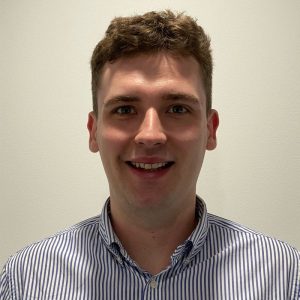
Tell us a bit about yourself?
I live on the Gold Coast with my partner. We love the coastal lifestyle and spend a lot of our spare time at the beach and going for walks or runs by the water. I am also an avid sports fan, I particularly enjoy English football and AFL and I love to travel and experience new cultures, our next overseas trip is a ski trip to Japan in 2027.
How long have you been working for Neurosensory?
I have been with Neurosensory for 3 years where I started out as a new graduate.
What is your education/training background?
A Bachelor of Health Sciences (Nutrition Major) and Masters of Audiology Studies. Both completed at the University of Queensland.
What are your specialities?
Paediatrics , Implantables- trained in both bone conduction and cochlear implants, hearing aids and tinnitus – from basic counselling to more in depth/targeted tinnitus management.
What made you get into audiology?
I was drawn to audiology because of the high level of patient interaction involved. I have always known that I wanted to pursue a career that directly helps people and improves their quality of life. Combined with my strong interest in science and the human body, audiology aligned well with my interests and values.
Hearing and communication are fundamental aspects of daily life, and being able to support individuals experiencing difficulties in these areas is both meaningful and rewarding.
Additionally, the continuous advancements in audiological technology offer ongoing opportunities for professional development and progression, which is something I greatly value.
What is your favourite part of your job?
The most rewarding aspect of my role is witnessing the progress and satisfaction our patients experience following positive hearing outcomes. Observing the significant improvements in their daily quality of life and their ability to engage in activities they enjoy is consistently fulfilling.
Working in the field of cochlear implants and supporting those patients who often experience the most profound hearing challenges and the meaningful impact this work has on their lives continues to be a strong source of professional fulfillment.
What is the most challenging part of your job?
The most challenging aspect of my role as an audiologist is supporting patients through the emotional and psychological impact of hearing loss, particularly when expectations of outcomes may differ from clinical realities. Additionally, managing complex cases such as patients with significant hearing difficulties or multiple needs while ensuring realistic goal-setting and ongoing engagement can be demanding but is ultimately a valuable part of providing effective, patient-centred care.
If you weren’t an audiologist, what would you be?
The sensible answer would likely be another role in healthcare, as helping people has always been important to me. The more fun answer would be a job that combines my love of travel and sport—perhaps sports commentary or something similar. Getting paid to watch a sport I love sounds ideal!
What are you most excited about in the future of audiology?
What excites me most about the future of audiology is the continued advancement of both technology and research, particularly in how these developments improve patient outcomes.
Innovations in hearing aids and cochlear implant technology, including the increasing use of AI to enhance sound processing, personalisation, and listening in complex environments, are allowing for more tailored and effective care.
I am also excited by emerging areas of research which could fundamentally change how hearing loss is managed in the future. Alongside this, the growing focus on early intervention, connectivity, and long-term patient support highlights how dynamic and forward-thinking the field of audiology continues to be.